Unlock the full potential of your machines. Our automation engineers design, program and commission PLC, SCADA and HMI systems that give you precise, reliable control of every line, cell and conveyor.
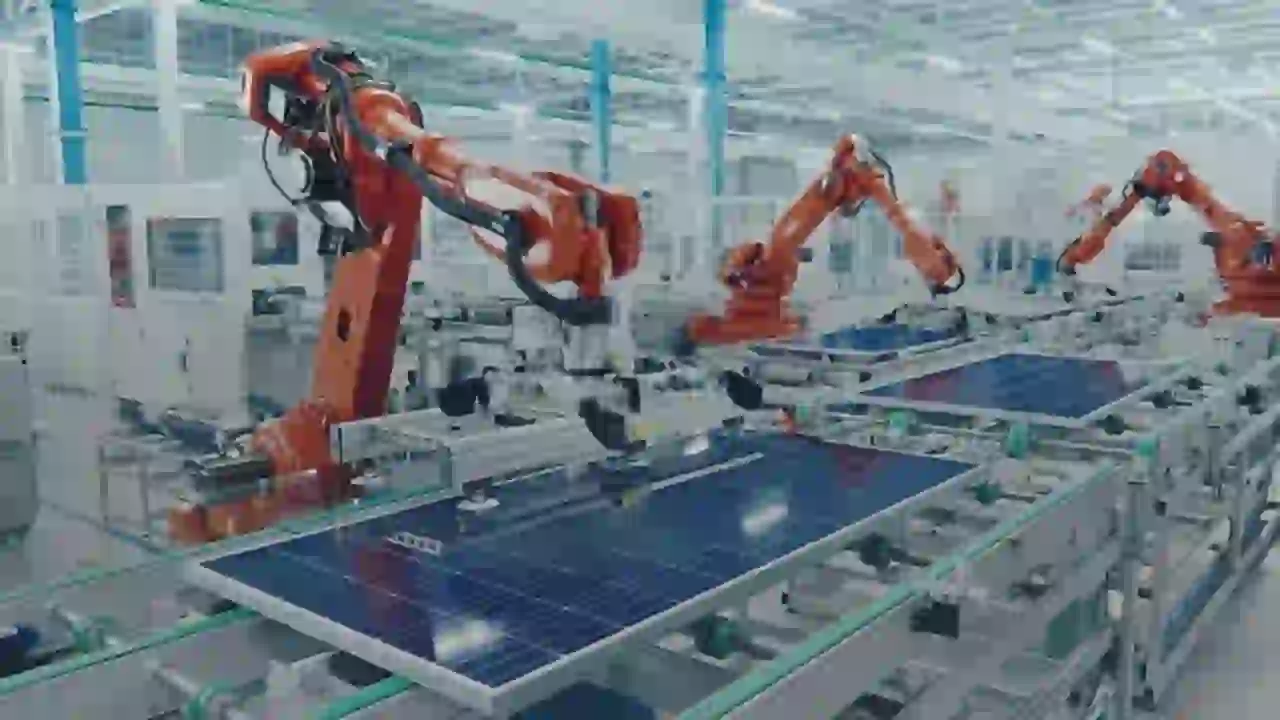
Seamless integration of hardware and software is what makes an automated process fast, safe and repeatable. We write structured, well-documented PLC code, build intuitive HMI screens and connect SCADA and plant data so your operators, maintenance team and management all see the same truth. Whether it is a brand-new production line, a machine retrofit or the migration of an obsolete controller, we deliver clean code, thorough testing and a smooth commissioning.

Precision Industrial Engineering
Control logic engineered for accuracy, safety and uptime, meeting the highest quality standards in industrial automation.
Tailored Automated Production
Automate long manual operations and bottlenecks in your production and packaging processes.
PLC, HMI & SCADA Systems
From control panel logic to plant-wide SCADA dashboards, alarms and reporting, integrated end to end.
One team for the full controls lifecycle, from functional specification to site acceptance and after-hours support.
New machine & line programming
Structured PLC code for conveyors, robotic cells, fillers, wrappers, palletisers and process skids.
Legacy PLC migration
Upgrade obsolete controllers and HMIs to current platforms with minimal downtime and fully documented code.
HMI & SCADA development
Clear operator screens, alarm management, trending and reporting that your team actually uses.
Commissioning & FAT/SAT
Factory and site acceptance testing, I/O checks and on-site commissioning across Australia and New Zealand.
Data & integration
Connect PLCs to MES, WMS, ERP and cloud dashboards for real-time OEE and production visibility.
Support & troubleshooting
Fault finding, remote diagnostics and planned improvements to keep your plant running.
Australia: Sydney, Melbourne, Brisbane, Adelaide, Perth and regional sites.
New Zealand: Auckland, Wellington, Christchurch.
Related services
Tell us what you're working on and an engineer will get back to you shortly.
From a quick fault-finding call to a full production line, we're happy to help.
- Call us(+61) 2 5500 5509
- Email usadmin@albeengineering.com
- HoursMon–Fri, 9am–5pm AEST
Answers to common questions about our automation services
- PLC software development plays a crucial role in industrial automation by creating custom programs that control and monitor machinery and processes. It enables precise and efficient operation of automated systems.
- Albe Engineering utilizes PLC software development expertise to create tailored programs that optimize industrial operations. This ensures precision, control, and efficiency in manufacturing processes.
- Certainly! One example is the implementation of a customized PLC software solution for a large-scale manufacturing plant. This led to a significant increase in production efficiency and a reduction in operational costs.
- PLC engineering focuses on designing, programming, and integrating PLC systems to control and automate industrial processes. It ensures seamless operation and optimization of machinery and equipment.
- Albe Engineering's proficiency in PLC engineering provides tailored automation solutions for a wide range of industries, including manufacturing, automotive, pharmaceuticals, and more. This leads to improved efficiency and productivity.
- Certainly! One notable project involved the integration of a sophisticated PLC system in an automotive assembly line. This resulted in a significant increase in production speed and product quality.
- Industrial automation streamlines manufacturing processes by utilizing technologies like robotics, PLC systems, and software to minimize human intervention. This leads to increased efficiency, precision, and productivity.
- Implementing industrial automation leads to improved quality control, increased productivity, reduced operational costs, enhanced safety, and better resource utilization. It also ensures competitiveness in the market.
Can't find what you're looking for?
Ask a Question